



Blog
Be informed about the dangers of extreme weather.
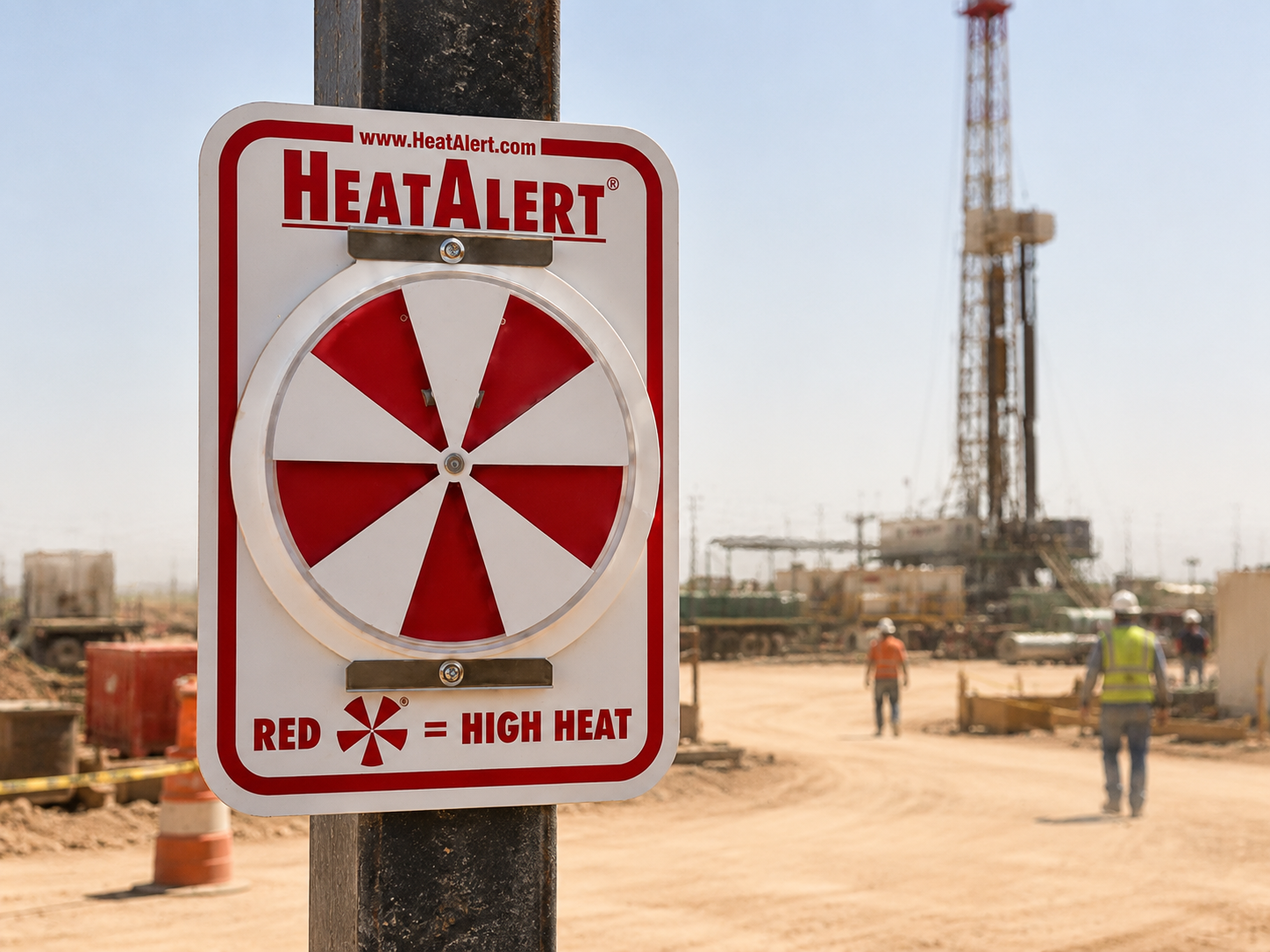
There's a dangerous assumption at the center of most summer safety plans: that people know when it's too hot. They don't. Not reliably. And the ones who are least likely to recognize the danger are the ones most likely to get hurt. The Problem With "It Feels Hot" Heat illness doesn't work like a twisted ankle. There's no single moment of pain that signals you've crossed a line. Core body temperature rises gradually. Sweat stops working as efficiently. Decision-making degrades before the person even realizes something is wrong. By the time someone feels "too hot," they may already be in the early stages of heat exhaustion. This is why the standard approach — post a sign that says "drink water," brief employees at the start of the shift, check the weather app in the morning — isn't enough. None of those things tell your people what the temperature is at 2pm on a loading dock in July. None of them are visible at the exact moment someone opens a door and steps into the heat. The Acclimatization Gap Here's the stat that should concern every facilities manager and safety director: 50% of heat-related fatalities occur on a worker's first day on the job — or their first day back after an extended absence. Acclimatization takes 7 to 14 days. During that window, the body hasn't yet adapted to regulate heat as effectively. Sweat response is slower. Heart rate climbs more quickly. The person looks fine. They feel fine. And then they don't. Workers returning from vacation, injury leave, or a long weekend are in the same risk category as brand-new hires. Your most experienced employees can be your highest-risk employees on a Monday morning in August. What "Temperature Awareness" Actually Means Knowing it's hot outside is not the same as understanding what that temperature means for the human body at that moment. True temperature awareness requires three things working together: A measurement that reflects real conditions. Air temperature is a starting point, not the full picture. Heat index — which factors in humidity — is a more accurate indicator of how conditions actually feel and how the body responds. For workplaces, WBGT (Wet Bulb Globe Temperature) is the gold standard because it also accounts for radiant heat and air movement. A visible signal at the right moment. An email alert, a morning briefing, or a phone app does nothing for the person who steps outside at 3pm when temperatures have climbed 15 degrees since the morning check. The warning needs to be at the transition point — the door, the gate, the loading dock — where the decision to go outside actually happens. A prompt that requires no action to be seen. Your employees shouldn't have to check anything. The moment someone reaches for a door handle, the warning should already be in their line of sight. Where HeatAlert™ Fits HeatAlert is a passive temperature warning sign that mounts permanently at building exits. At normal temperatures it's white. As ambient air temperature approaches 85°F, the disc begins rotating to red. At 91°F it's fully red — a visible, unmistakable signal that everyone walking through that door can see simultaneously. No app, no announcement, no one has to read a number and decide what it means. It measures air temperature only — not heat index or WBGT. That's an important distinction. HeatAlert isn't a compliance instrument and it's not a substitute for the tools your EHS team uses to make formal activity decisions. What it is: an always-on, passive visual cue that conditions have crossed a threshold worth paying attention to. It prompts the right behavior — check conditions, enforce water and rest breaks, consider modified activity — at exactly the moment it's needed. No batteries. No calibration. No maintenance. Install it at every outdoor exit and it works for the next seven years without anyone touching it. The Real Cost of Not Acting The average direct cost of a heat-related workers' comp claim runs $7,000 to $30,000 — before legal exposure, OSHA citations, or the harder-to-quantify cost of losing an experienced worker for a season or permanently. A HeatAlert sign costs $189. A typical facility needs six to ten signs. That's a one-time investment under $2,000 that delivers a permanent, visible heat warning at every outdoor transition for the next decade. Temperature awareness isn't a training initiative or a policy document. It's what people can see when they're about to walk into the heat. Make heat visible. Shop HeatAlert™ →
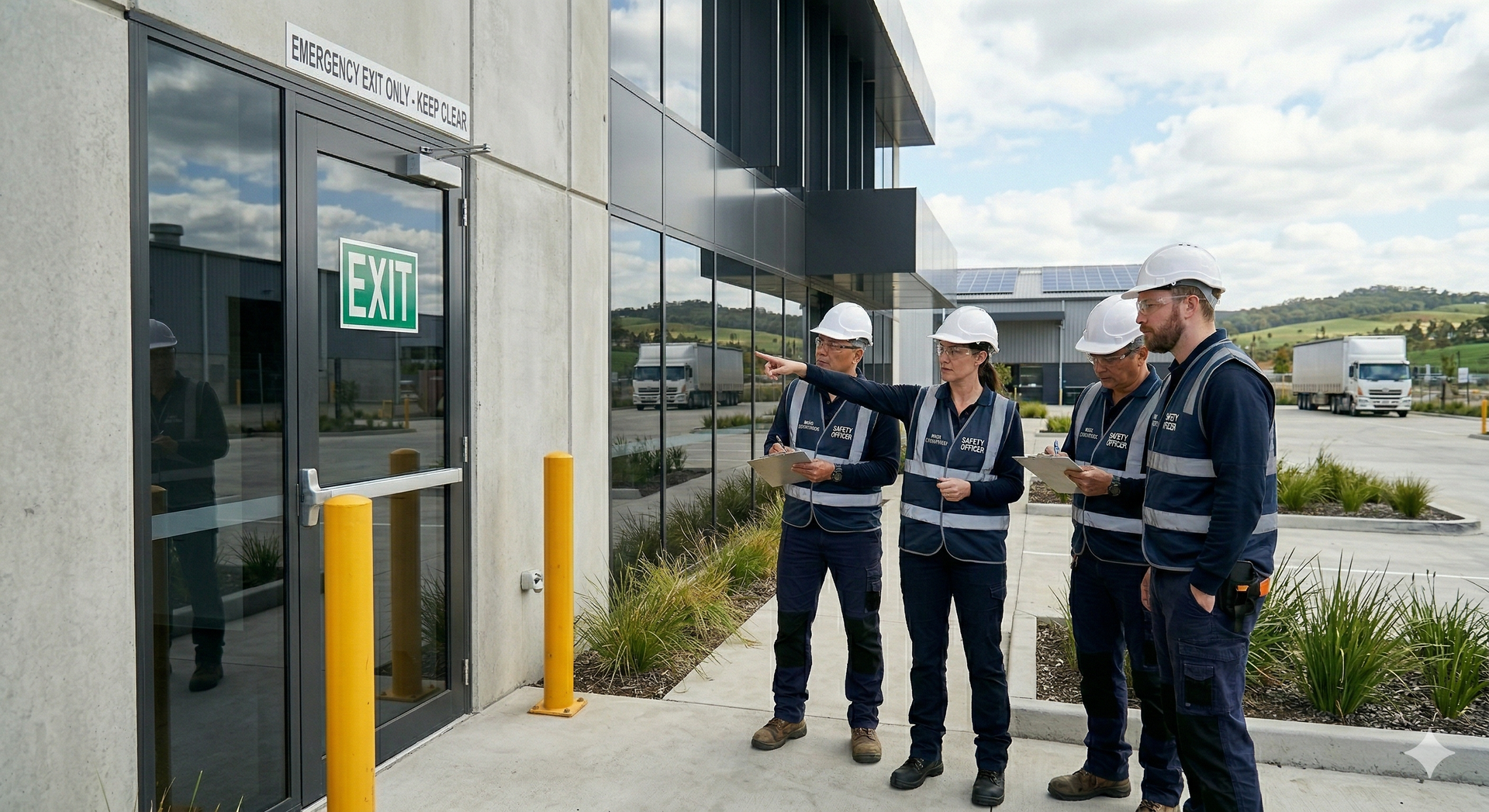
Summer is the best time to prepare your facility for winter ice hazards. Learn the 5 steps EHS and facilities managers should take before the season starts.
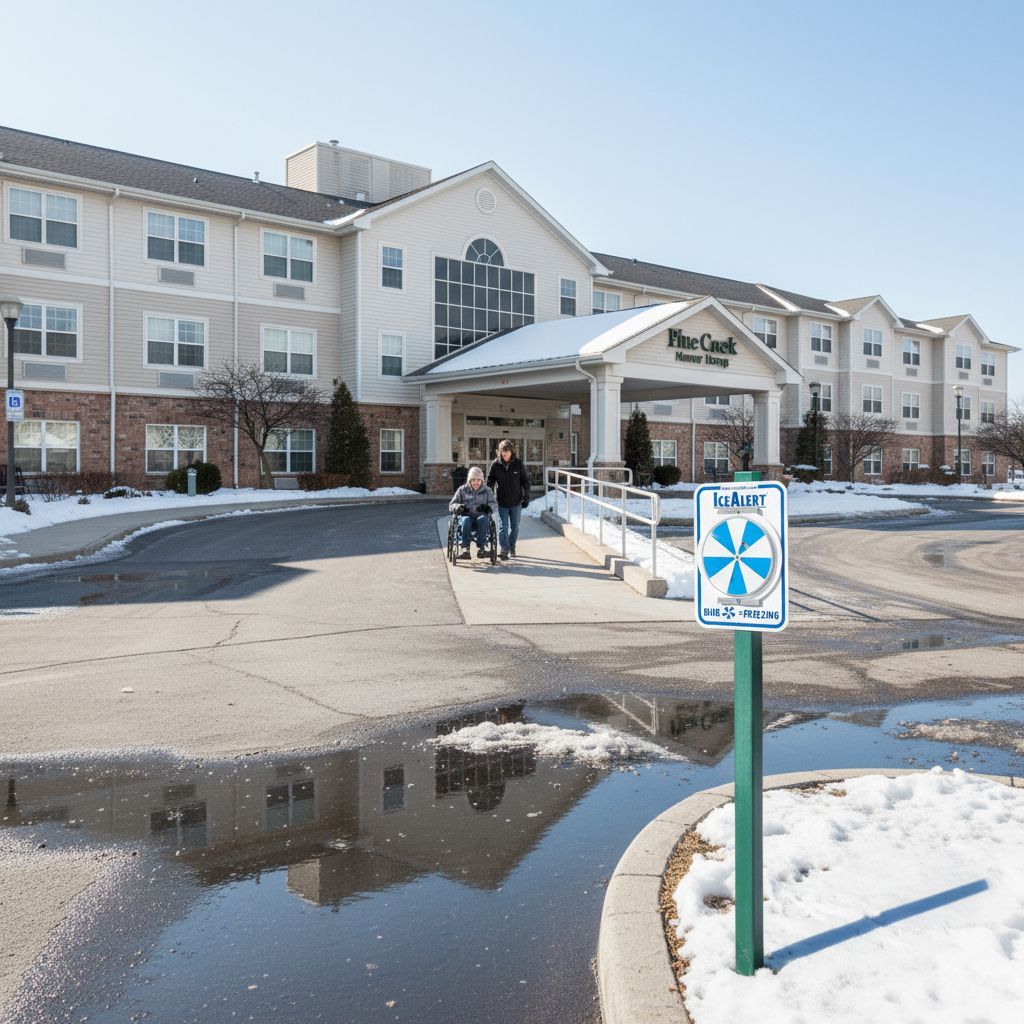
Implementing a new safety system is one thing. Making sure employees understand it is another. The good news is that introducing IceAlert® to your team does not require formal training sessions or complicated rollout plans. Because IceAlert is a simple, visual indicator of freezing conditions, the introduction process can be clear, fast, and consistent across locations. Here’s how to do it effectively. Step 1: Send a Clear, Consistent Introduction Before winter conditions arrive, employees should understand three basic points: IceAlert changes color when freezing conditions are present. When IceAlert indicates freezing risk, cold-weather safety procedures should begin. IceAlert is a trigger for action, not a replacement for existing protocols. To make this easy, IceAlert provides a pre-written employee email that safety managers can send internally. The message explains what IceAlert is, how it works, and what employees should do when conditions change. This ensures consistent communication across departments and shifts. Step 2: Reinforce Awareness in Breakrooms and Bulletin Boards Employees retain information better when they see it more than once. Posting the IceAlert employee poster in breakrooms or on safety bulletin boards reinforces: What the color change means Why freeze–thaw conditions can create unexpected hazards The importance of staying aware during winter months Because breakrooms and bulletin boards are common gathering areas, this placement helps keep IceAlert top-of-mind throughout the season without interrupting operations. Step 3: Provide a Simple Reference Guide For organizations with multiple shifts or locations, having a short written reference is helpful. IceAlert provides a downloadable “What You Need to Know” PDF that safety managers can: Attach to the introductory email Post on internal safety portals Include in seasonal safety refresh materials This one-page guide summarizes how IceAlert works and how it fits into your winter safety signage and cold-weather response procedures. Step 4: Align With Your Winter Safety Procedures The final step is ensuring IceAlert is clearly referenced in your cold-weather safety plan. When employees understand that: IceAlert signals freezing risk IceAlert triggers predefined response actions IceAlert supports your existing winter safety signage It becomes part of the routine rather than an extra task. Consistency across locations reduces confusion and strengthens liability protection if an incident occurs. Make Implementation Simple Introducing IceAlert does not need to be complicated. Downloads below: A pre-written employee email A breakroom or bulletin board poster A short “What You Need to Know” PDF Safety managers can introduce IceAlert quickly and confidently across their organization. Clear communication at the start of the season ensures that when freezing conditions appear, employees already know what to look for — and what to do.
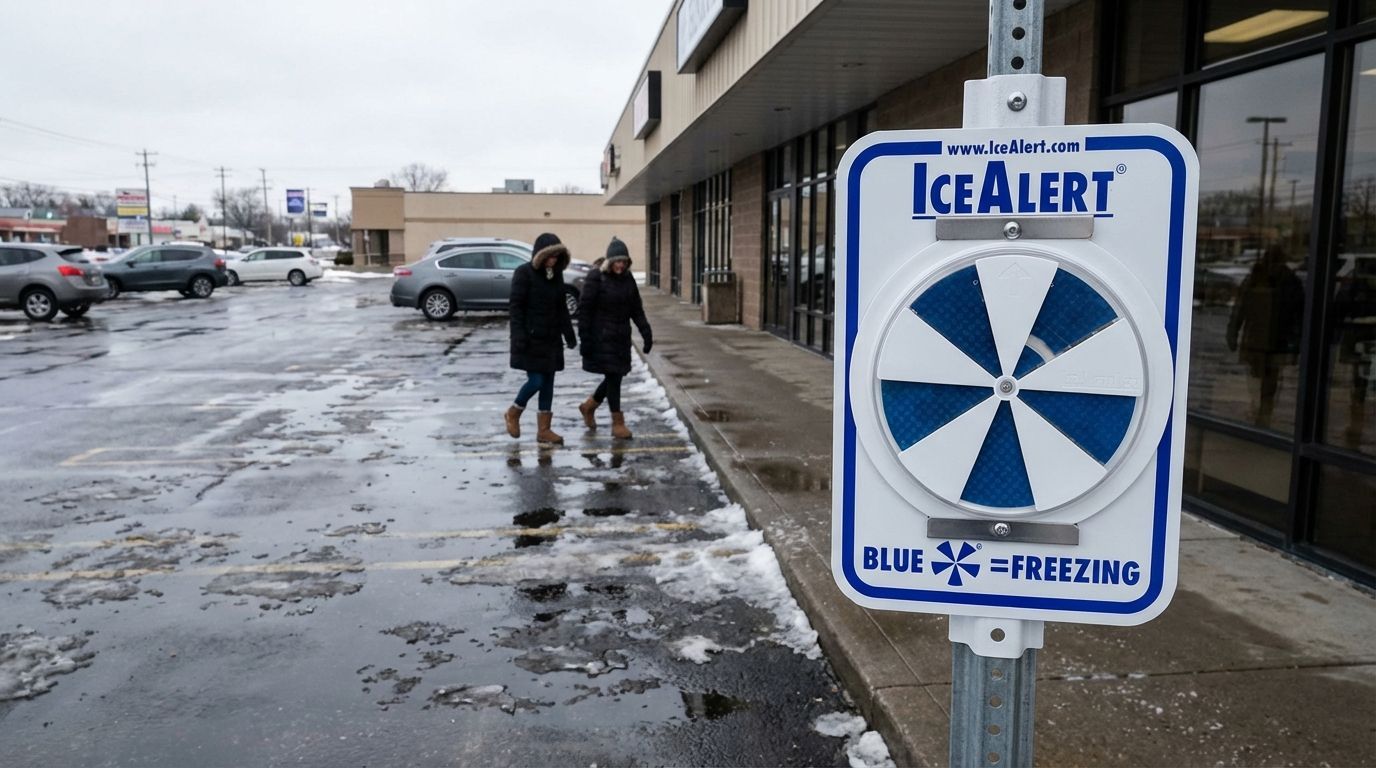
As winter approaches its end, attention shifts. Snow events slow down, crews begin transitioning to spring operations, and freezing conditions feel less urgent. But late winter is often when ice-related injuries and slip-and-fall claims increase , not because conditions are worse, but because awareness drops while freeze–thaw cycles accelerate . For organizations responsible for outdoor walkways, parking lots, and pedestrian areas, late-season ice presents a unique safety and liability challenge. Late-Season Ice Creates Hidden Hazards Unlike peak winter, late-season conditions are inconsistent and harder to predict: Daytime temperatures rise above freezing Overnight temperatures drop just enough to refreeze moisture Meltwater accumulates near entrances, curbs, and low points Snow removal and de-icing efforts are reduced as winter winds down The result is thin, transparent ice that’s difficult to detect and easy to underestimate. This is when winter safety signage and visual warnings become especially important. Why Winter Safety Programs Break Down Late in the Season Many winter safety programs rely on seasonal cues rather than real-time conditions: Weather forecasts Calendar-based response plans Staff judgment and visual inspections Late winter undermines all three. Forecasts may not trigger urgency. Calendars suggest risk is declining. Ice may not be visible until someone slips. From a liability standpoint, this creates gaps in documentation and consistency, two things that matter greatly when incidents occur. The Role of Winter Safety Signage in Liability Protection Clear winter safety signage does more than warn pedestrians. It helps demonstrate: Ongoing hazard awareness Consistent monitoring of conditions Proactive risk communication Reasonable steps taken to prevent injury In late winter, signage that responds to actual conditions is more effective than static warnings that fade into the background. Visibility at the point of risk matters, especially when conditions change quietly. Freeze–Thaw Cycles and Slip-and-Fall Liability Slip-and-fall incidents during freeze–thaw conditions raise common questions: Were changing conditions being monitored? Was there a clear trigger for response? Were warnings visible to employees and visitors? Was action taken consistently across sites? Late-season incidents are often harder to defend because ice forms during periods that don’t feel like “winter weather,” making proactive signaling even more important. Why Late Winter Is the Right Time to Reevaluate Signage Late winter isn’t the end of ice risk, it’s the phase where risk is easiest to overlook . Organizations that maintain visible winter safety indicators through the end of the season tend to: Reduce surprise slip-and-fall incidents Maintain consistency as staffing and focus shift Strengthen liability defensibility Avoid relying solely on forecasts or seasonal assumptions Cold-weather safety doesn’t end when snowstorms do. Final Thought The most dangerous ice is often the ice no one expects. As winter winds down, now is the right time to evaluate whether your winter safety signage clearly communicates freezing risk when it matters most. Because when incidents happen late in the season, the question isn’t whether winter was over. It’s whether the risk was visible.
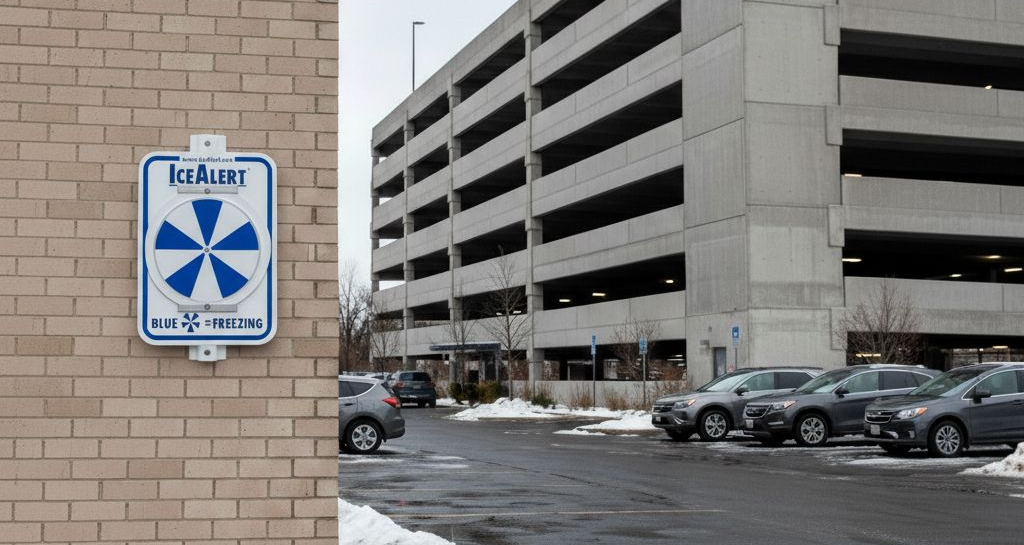
When winter hits, business parks face a unique challenge: keeping employees, tenants, and visitors safe on icy sidewalks, driveways, and parking lots. A single slip-and-fall accident can lead to costly claims, downtime, and damaged reputations. That’s why proactive safety measures are essential—and why more property managers are turning to IceAlert® . Instant Awareness, Zero Maintenance IceAlert® signs provide a simple visual warning the moment temperatures near freezing. When conditions turn icy, the indicator changes color to bright blue, instantly alerting people to proceed with caution. There are no wires, batteries, or electronics—just reliable, automatic operation. Mount them once and they work season after season without maintenance. Reduce Liability and Insurance Risk Property managers know the cost of an injury can far exceed prevention. By installing IceAlert® throughout your business park, you create visible proof of your commitment to safety. That not only helps prevent accidents but also demonstrates due diligence to insurers and compliance officers. Protect Tenants, Employees, and Visitors From delivery drivers and maintenance crews to office staff and clients, everyone benefits from early visual warnings. Common installation points include: Building entrances and exits Sidewalks, ramps, and stairways Parking lots and loading zones Walkways connecting multiple buildings Simple, Smart Safety for Modern Facilities Business parks are designed for productivity, not constant upkeep. IceAlert® aligns with that mindset—no ongoing service, no complicated technology. Just reliable, weather-responsive signage that works when you need it most. Prepare Before the Next Freeze Don’t wait for the first slip to happen. Installing IceAlert® is a small step that makes a big impact in protecting people and property. 👉 Learn more about IceAlert® systems and how they can protect your business park this winter: Explore Extreme Weather Safety Products
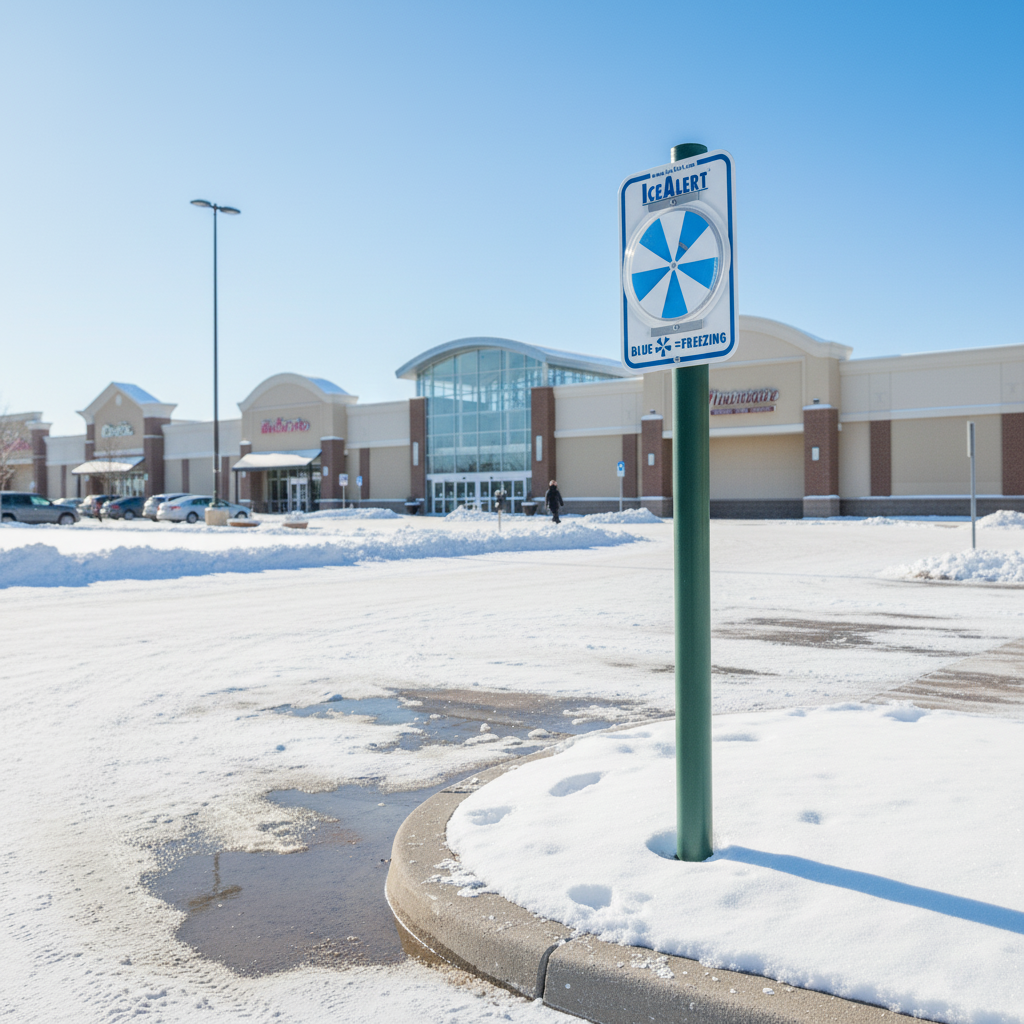
Winter weather brings more than cold temperatures—it creates real safety risks that can impact your employees, visitors, and bottom line. Slips, trips, and falls are among the most common workplace accidents, and icy conditions only increase the likelihood of injuries. That’s why having a proactive plan is essential. To help businesses prepare, IceAlert® has created a Free Winter Workplace Safety Checklist you can download today. This practical resource is designed for safety coordinators, facility managers, and business owners who want to stay ahead of hazards this season. What’s Inside the Checklist? Our free download covers the essentials: High-Risk Areas: Identify parking lots, walkways, and entryways most prone to ice. Proactive Measures: Tips for snow removal, de-icing, and floor safety indoors. Visual Warnings: How IceAlert® signs provide clear, instant alerts as temperatures drop. Employee Training: Key reminders for footwear, reporting hazards, and winter protocols. Routine Inspections: A simple schedule to keep safety consistent all season long. Why It Matters One slip-and-fall accident can cost over $60,000 in direct and indirect expenses (OSHA). By preparing now, you can reduce liability, avoid costly downtime, and most importantly—keep your people safe. Get Your Free Download Don’t wait until the first storm. Equip your team with the tools they need to stay safe this winter. Download your free checklist and take the first step toward a safer, more prepared workplace. 👉 Download the Free Winter Workplace Safety Checklist
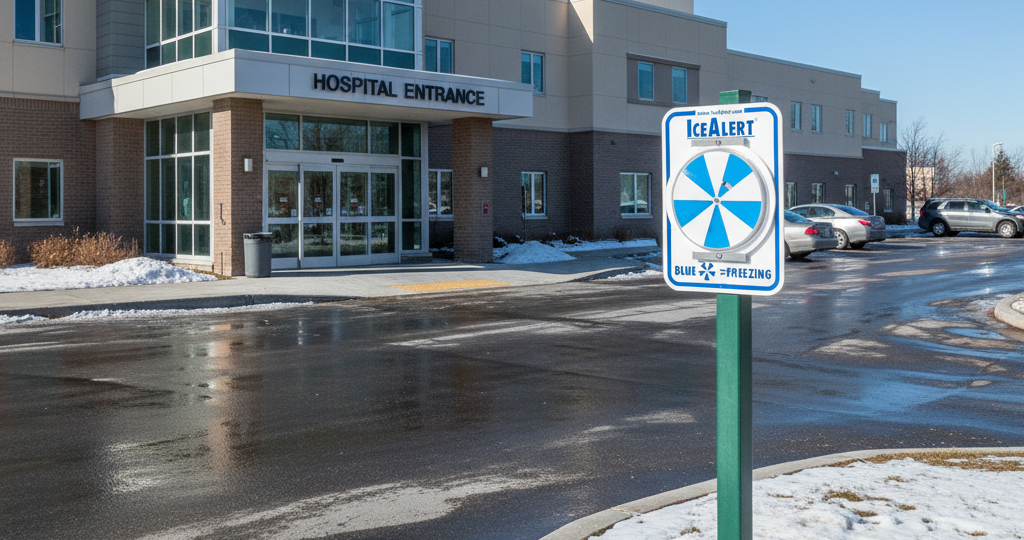
Knowing that icy conditions are dangerous is only half the battle—implementing the right tools in the right places ensures you get the most out of your safety program. IceAlert® systems are designed to work seamlessly with existing winter procedures, providing reliable alerts where you need them most. Step 1: Identify High-Risk Areas Walk your property and note locations prone to ice buildup: Building entrances and exits Outdoor stairways, ramps, and pathways Parking lot walkways and pedestrian crossings Loading docks and delivery zones Common areas that are shaded most of the day Step 2: Install IceAlert® Signs Strategically Mount signs at eye level where they’re easy to spot. Because they require no electricity or batteries, IceAlert® devices can be placed almost anywhere with minimal effort. Step 3: Pair with Preventive Measures Use IceAlert® alongside standard winter practices: Apply ice melt or sand promptly when signs turn blue Increase inspections of high-traffic areas Train employees to report hazards as soon as they see them Step 4: Monitor and Maintain Regularly check that signs remain visible and free of obstructions like snowbanks or debris. With durable construction and low maintenance needs, IceAlert® devices are a long-term solution you can count on season after season. Industries from healthcare and education to retail and municipal facilities rely on IceAlert® to protect employees, customers, and visitors. By combining visual alerts with proactive safety measures, you create a safer environment and reduce the risk of costly accidents. Don’t wait for the first storm— Request a Quote and prepare your facility with IceAlert® today.
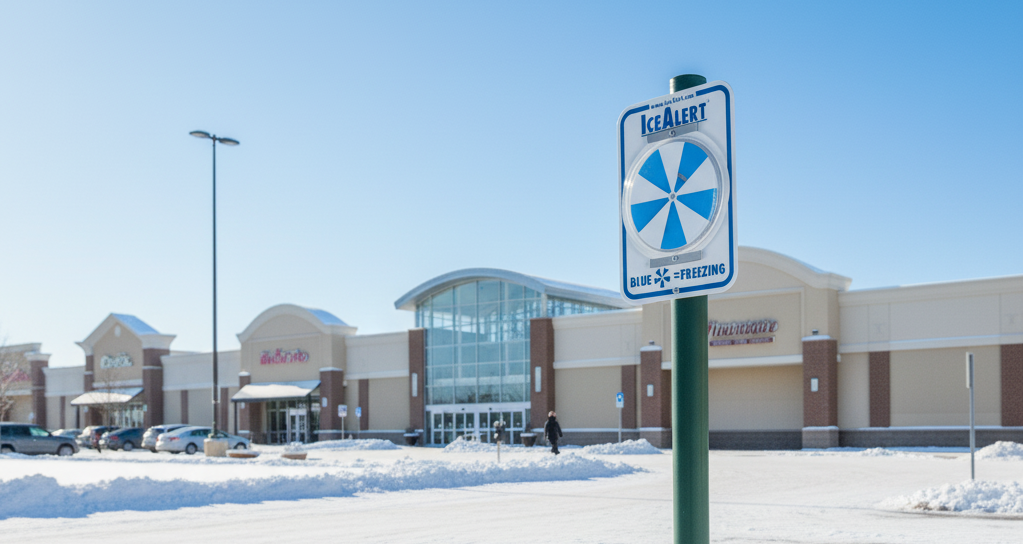
Every winter, slips, trips, and falls cost businesses time, money, and employee well-being. Icy sidewalks, parking lots, and entryways are among the most common hazards, yet many incidents happen simply because people don’t realize the danger until it’s too late. That’s where visual alerts make a difference. IceAlert® signs change color automatically as temperatures approach freezing, shifting from white to bright blue. This immediate, highly visible signal helps employees, visitors, and customers recognize when conditions are dangerous—before an accident occurs. Visual warnings improve awareness across all environments: Parking lots and sidewalks: Visitors know to walk carefully or take alternate routes. Stairways and ramps: Employees are reminded to use extra caution. Loading docks and warehouses: Safety teams can act quickly to apply ice melt or sand. Beyond reducing accidents, IceAlert® supports OSHA’s emphasis on effective hazard communication. Clear signage ensures compliance while showing employees that safety is a top priority. By adding this simple layer of protection, organizations reduce liability and create safer spaces for everyone. Ready to add IceAlert® to your winter safety plan?
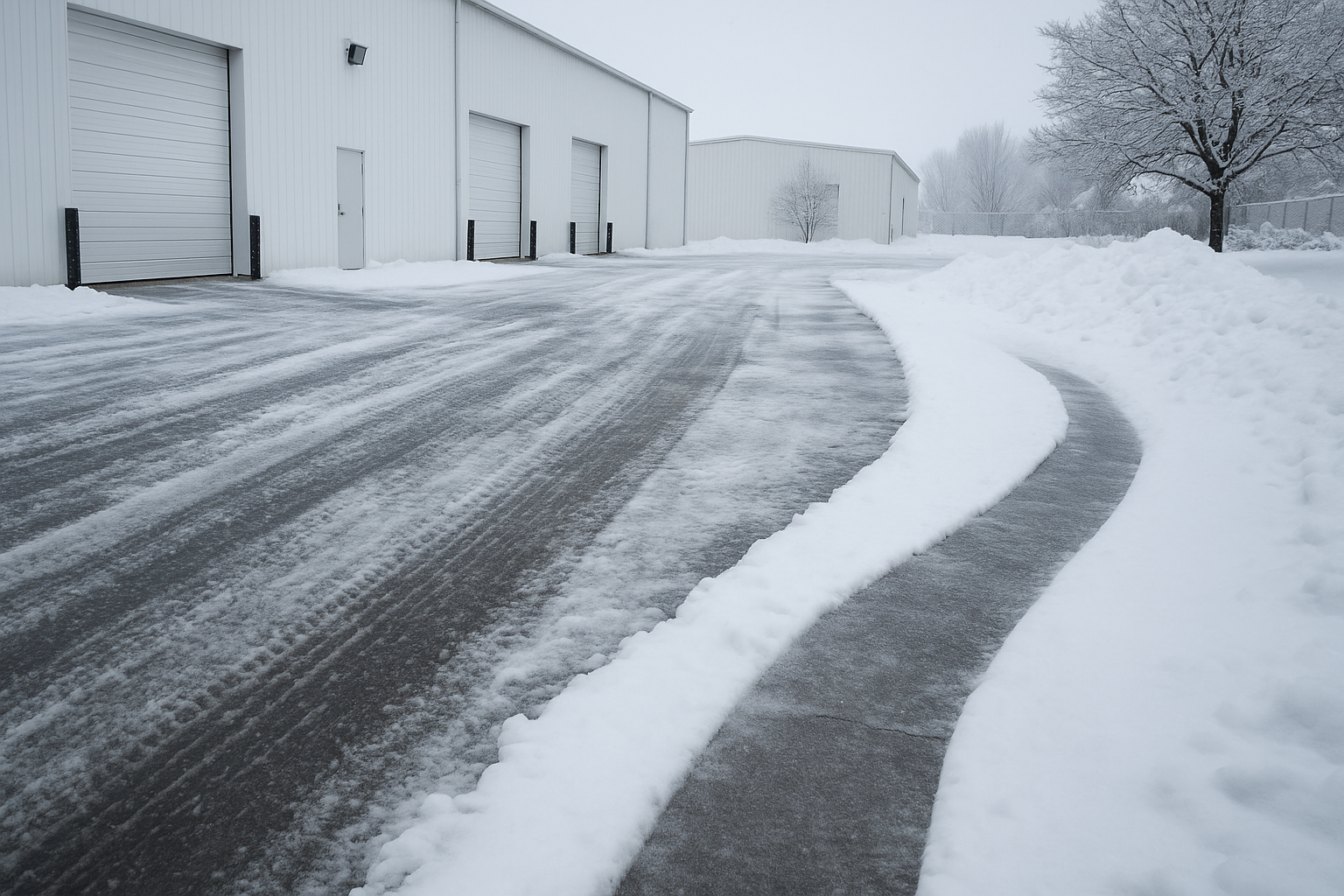
Winter 2025 Safety Checklist | IceAlert®
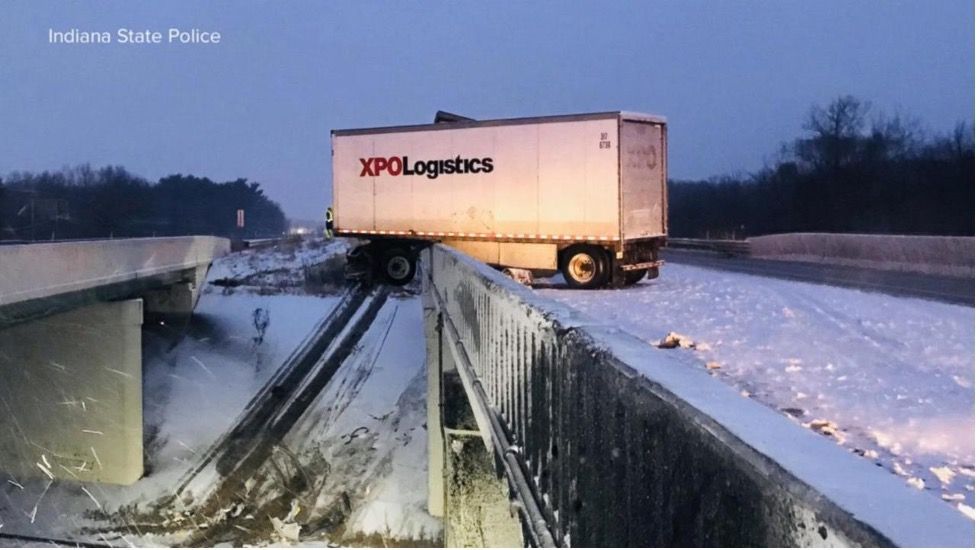
March is still creating icy and dangerous conditions around the us. Slip and fall accidents are still a reality for employees and customers.
Free Personalized Site Design
Not sure what you need for your site? We're here to help.
Sign up to our newsletter
IceAlert, Inc.
5813 Jean Road
Lake Oswego, OR 97035
Phone
503-692-6656
Toll Free
1-800-831-4551
Email
info@icealert.com