


Winter Is Days Away. Is Your Facility Ready?
The first hard freeze of the season doesn't send a warning. One morning the pavement is dry, the next it's a liability waiting to happen at every exit door in your building.
Most facilities react. The ones that avoid claims prepare. And they do it in fall, not January.
Why Fall Is the Right Time
By the time ice forms, your options narrow fast. Ordering safety equipment, waiting on shipping, and getting signs mounted takes time you don't have when temps are already dropping. Procurement decisions made in September and October mean your facility is covered before the season starts, not scrambling after the first incident.
There's also a budget reality: safety equipment ordered in Q4 can often hit this fiscal year's budget. Equipment ordered in January can't.
The Gap Most Facilities Miss
Most winter safety protocols focus on response: salt schedules, treatment logs, staff notifications. Those are important. But they all share the same flaw — they require someone to act before the warning reaches the people who need it.
Your maintenance team can treat every walkway at 5am. By 7am, conditions can change. By the time your first wave of employees arrives, nobody has told them the pavement outside that exit door is borderline.
That's the gap. And it's where most claims originate - not in a blizzard, but in the ordinary moments between treatment cycles when conditions shift and nobody's watching.
A Fall Checklist for Facility Safety Managers
Before the first freeze arrives, run through these:
- Walk your exits.
Every door that leads outside is a potential claim point. Loading docks, employee entrances, visitor parking access, emergency exits. Walk each one and ask: if someone steps through this door at 6am in marginal conditions, what warning do they have? - Audit your treatment protocol.
When is the first salt application each morning? What triggers a re-treatment? Who's responsible overnight and on weekends? Gaps in the protocol are gaps in your liability defense. - Check your signage.
Static "caution" signs that display year-round stop getting noticed. If your current warning signage looks the same in July as it does in January, it's invisible by December. Visible, condition-responsive warning at the point of risk is the standard you're working toward. - Document everything now.
Photograph your current safety setup before winter begins. Dated photos of installed warning systems, treatment logs, and safety protocols create the paper trail that matters if a claim is filed six months from now. - Order what you need before you need it.
This is the one most facilities skip. The conversation happens after the first incident, not before it. Get equipment ordered in October so it's in place before conditions change.
What IceAlert Does
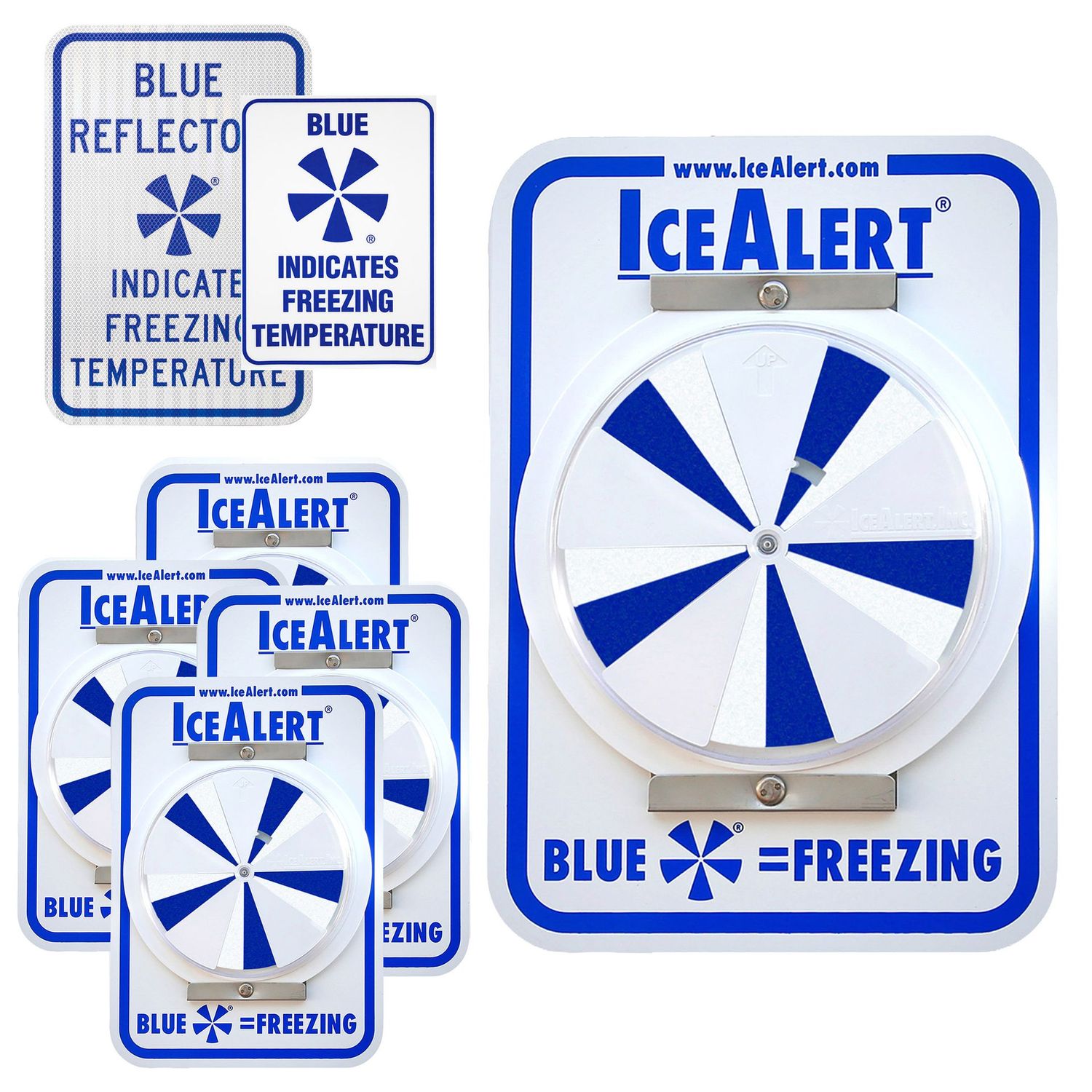
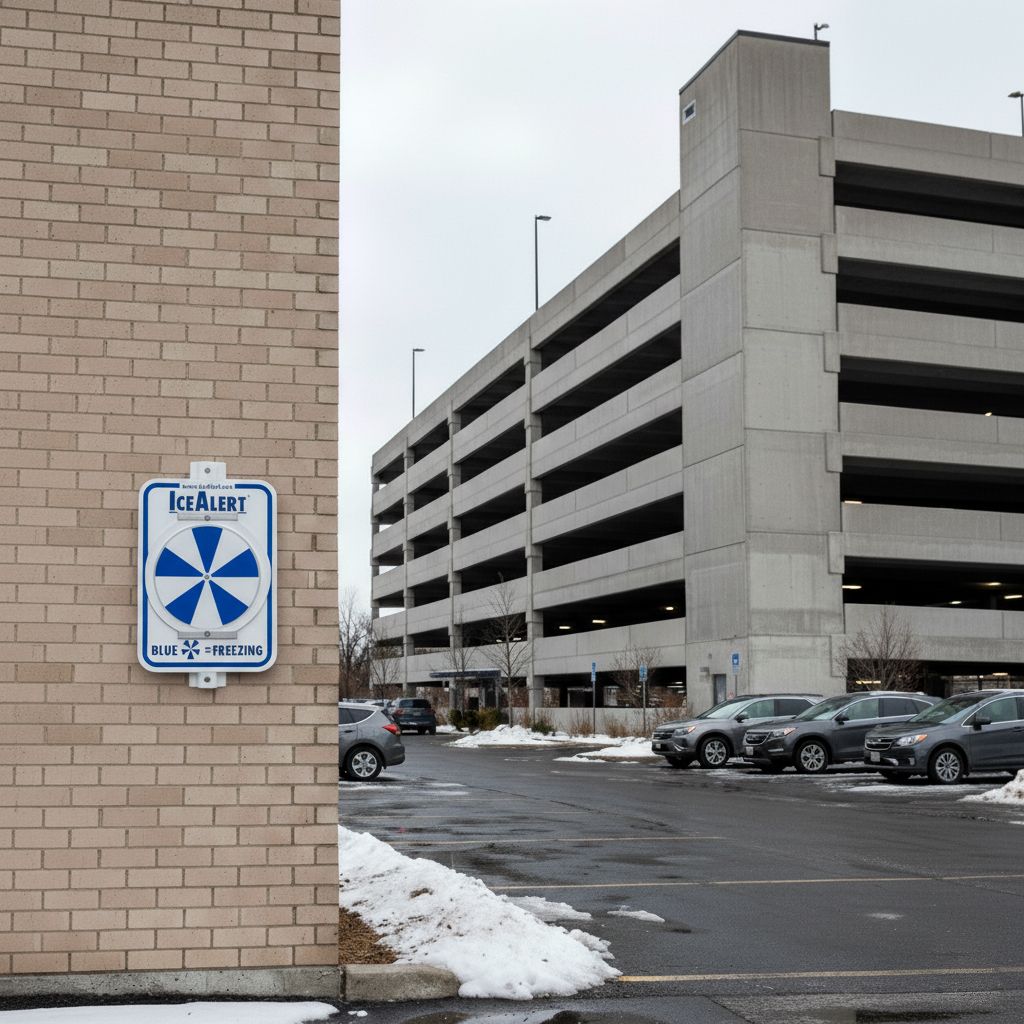
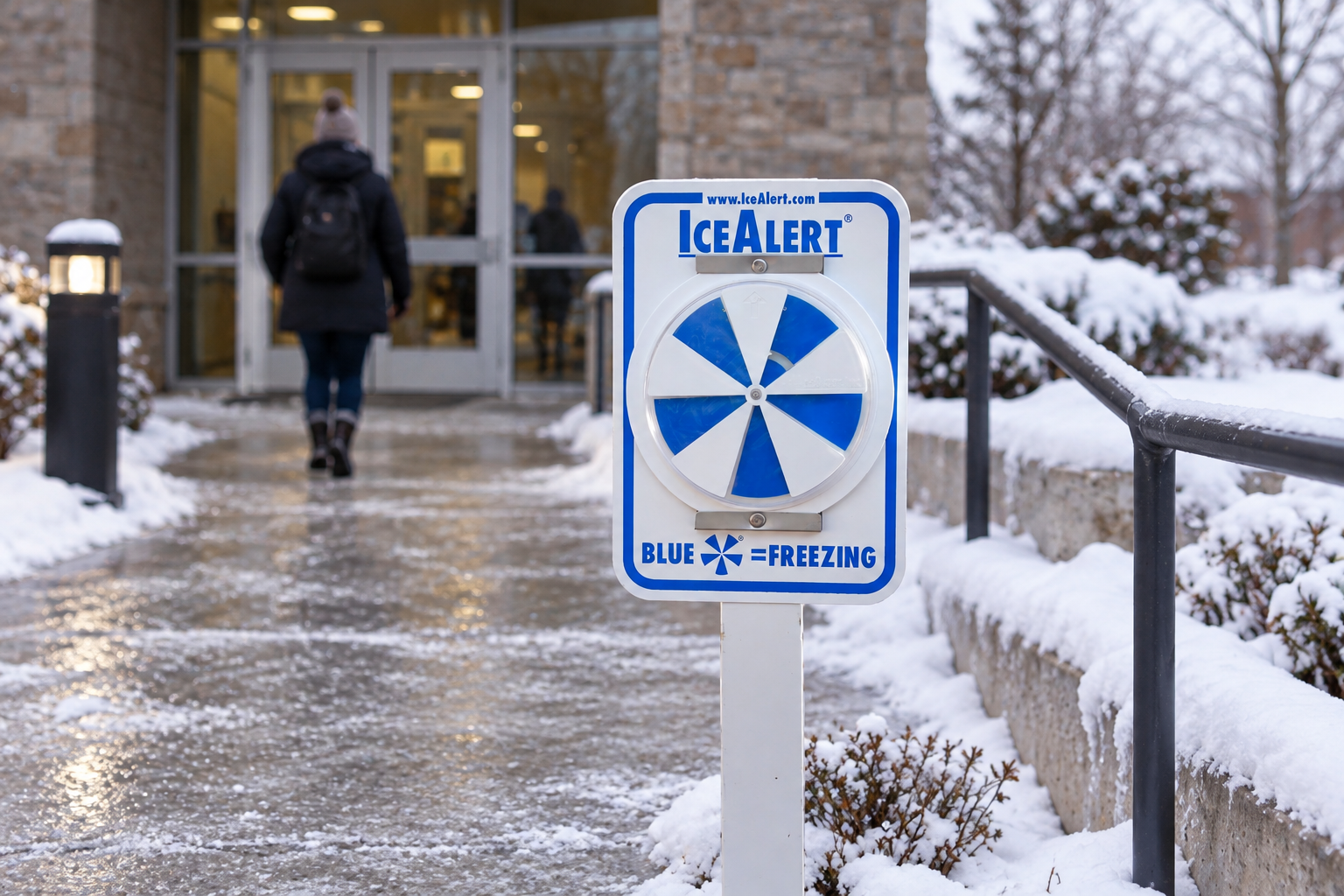
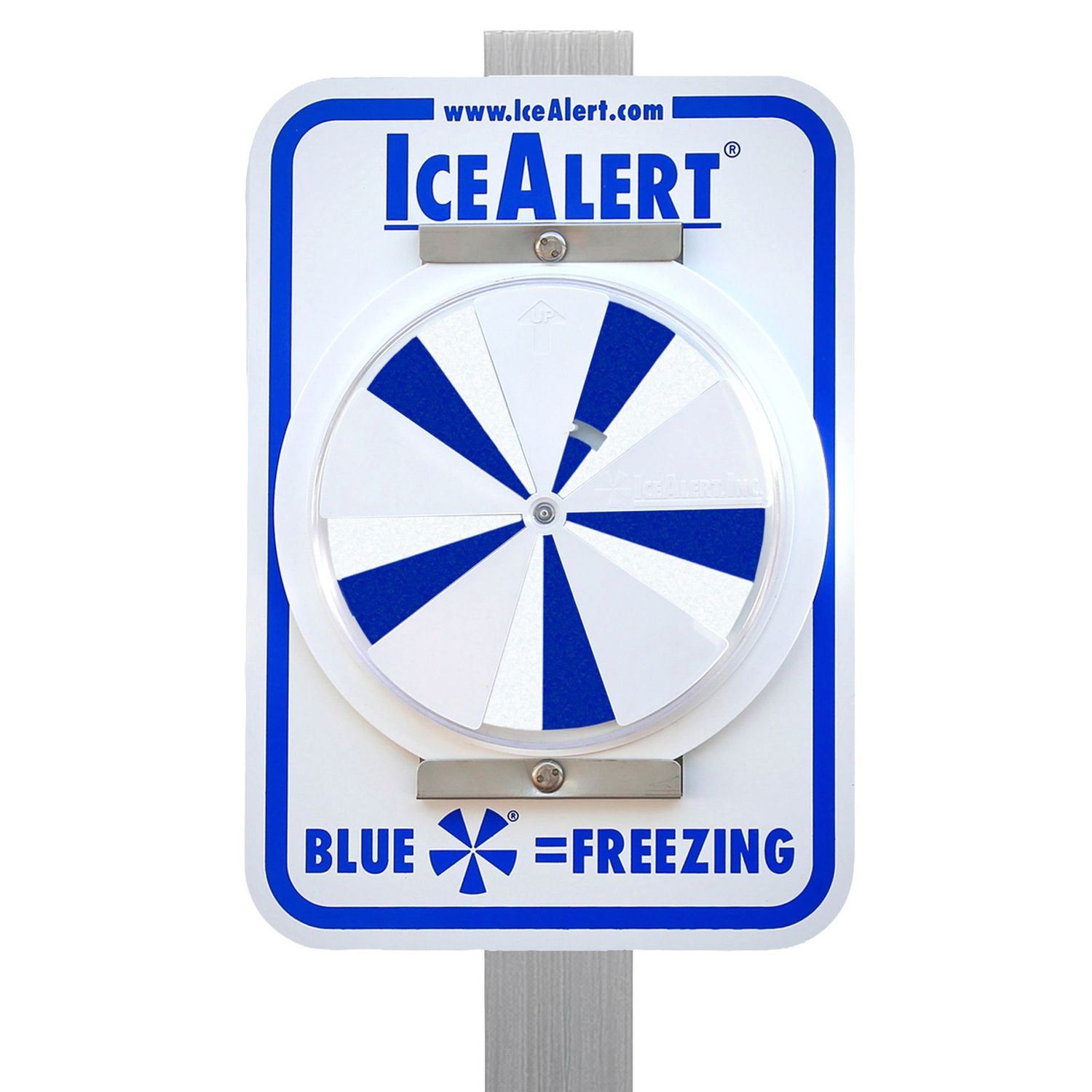
IceAlert signs mount permanently at building exits and change color - white to blue - as temperatures approach freezing. No power, no batteries, no maintenance. When conditions are safe the sign is white. When they're not, it's blue. Everyone walking out that door sees it simultaneously, without checking an app, reading a thermometer, or waiting for an announcement.
One sign at one exit costs $189. Bulk pricing is available for multi-location deployments. At 10 signs per building, you're spending less than $2,000 to permanently close the warning gap at every exit - and that investment lasts for a decade without anyone touching it.
The average slip-and-fall claim costs $64,000. Most facilities need one season to justify the math.
Don't Wait for the First Freeze
The best winter safety programs are already in place by the time winter arrives. Fall is the window - for procurement, for installation, for making sure your protocol is tighter than it was last year.
If a claim happens, "we ordered signs in January" is a harder conversation than "we installed them in October."
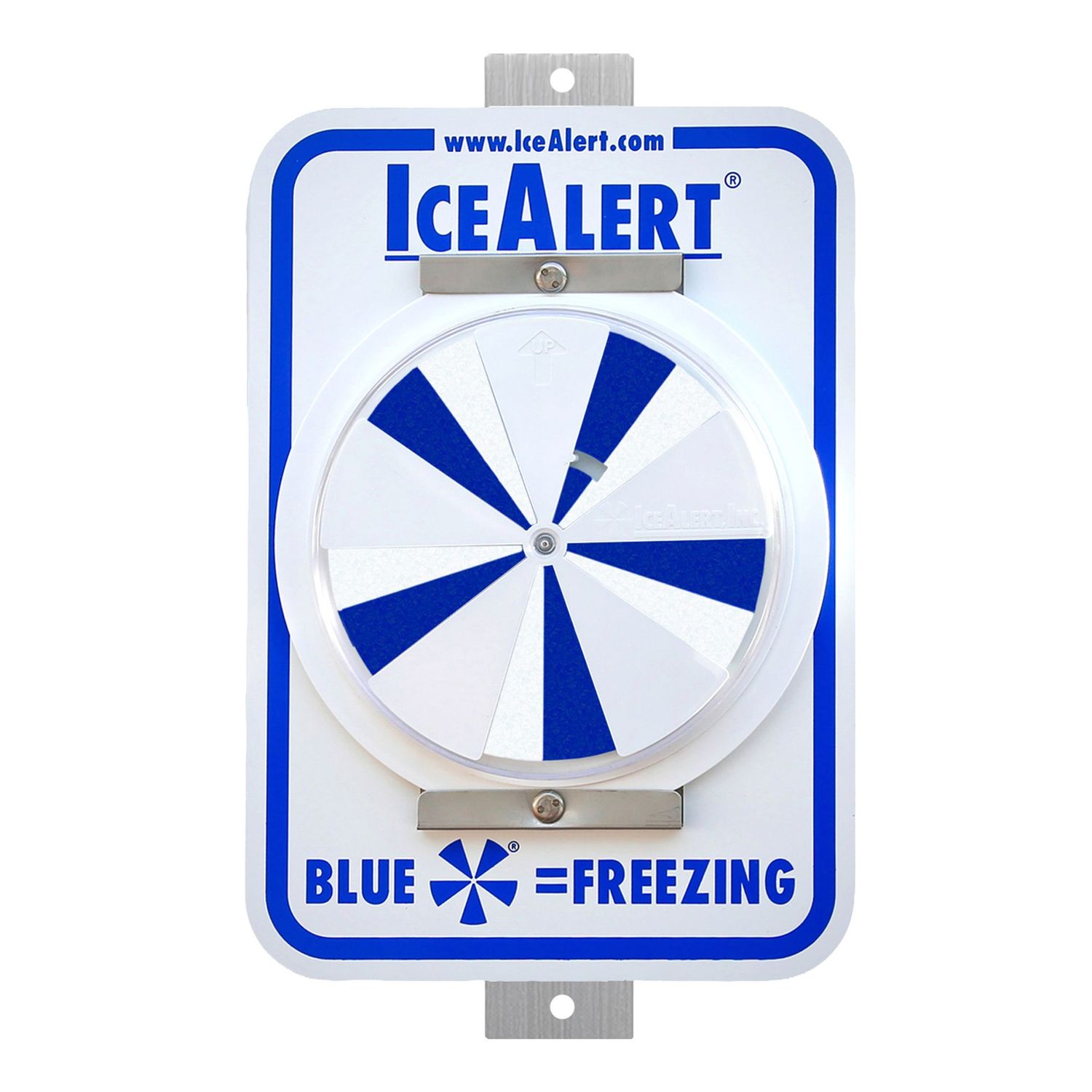
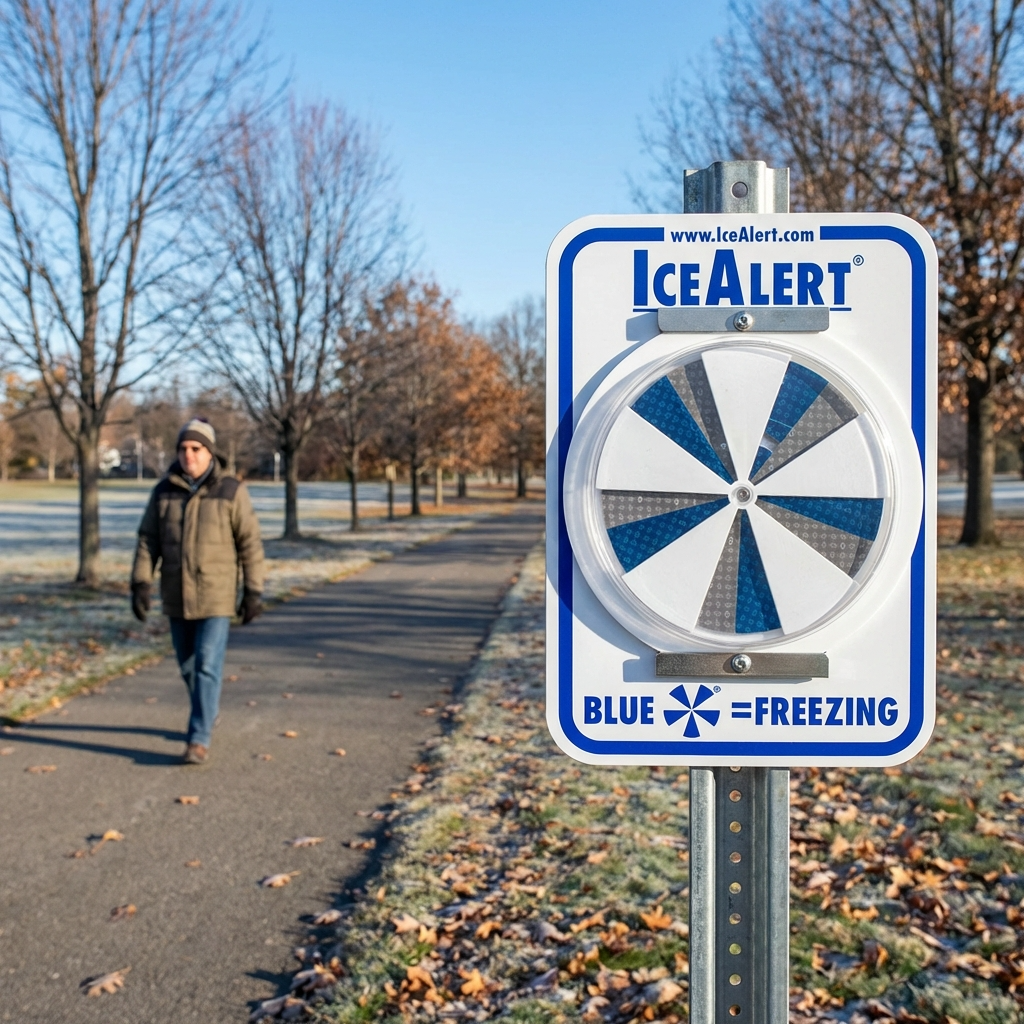
IceAlert® Sign with Universal Mount
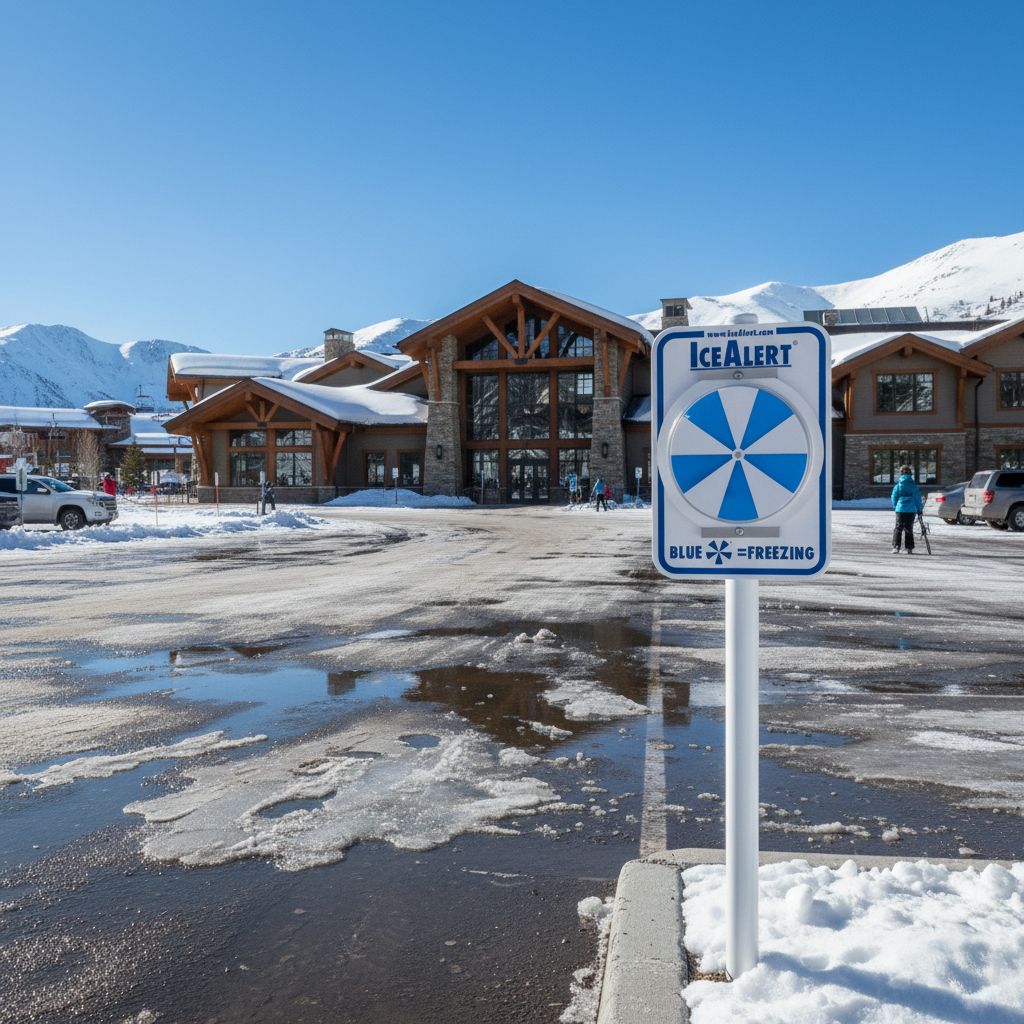
IceAlert® Sign with 6' Aluminum Post
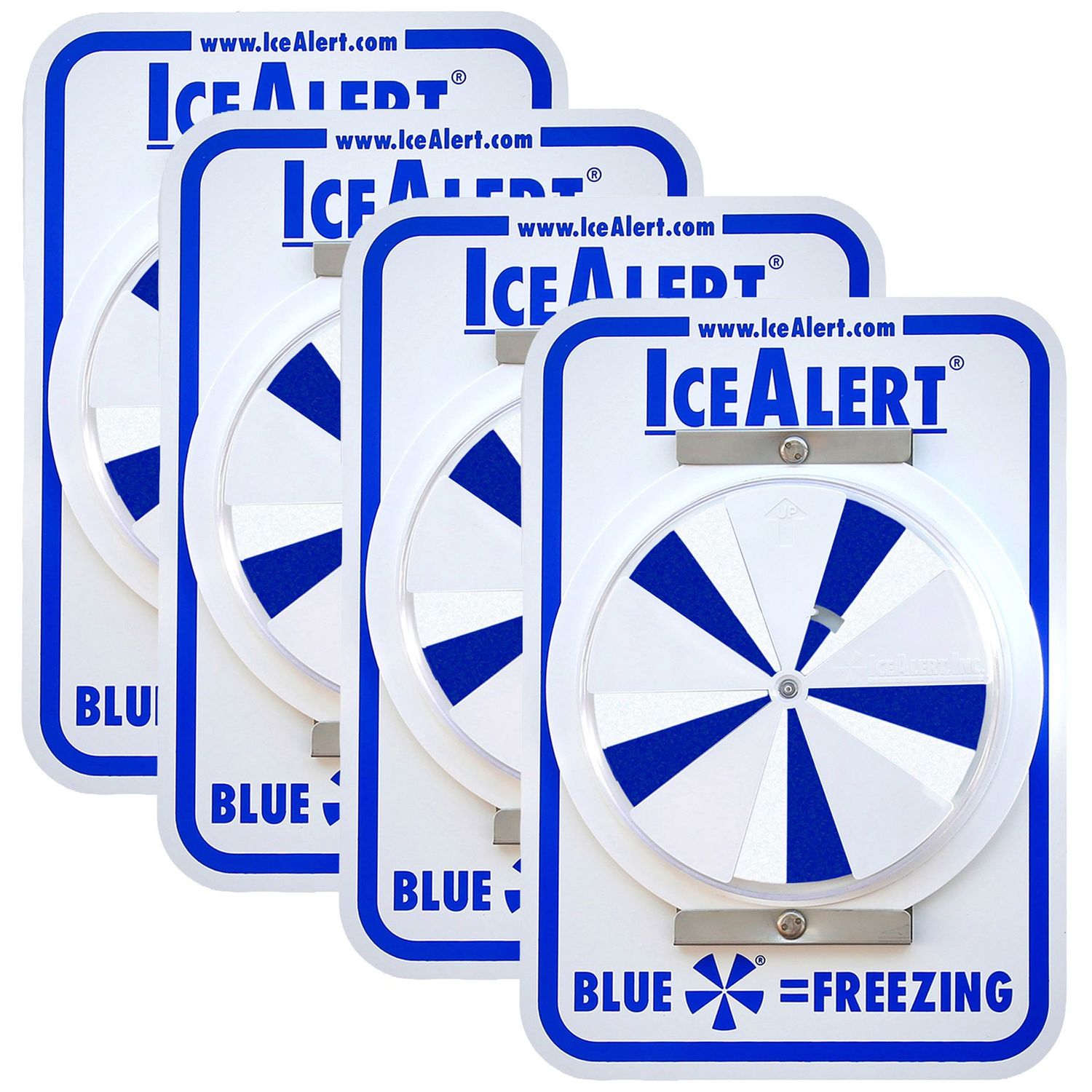
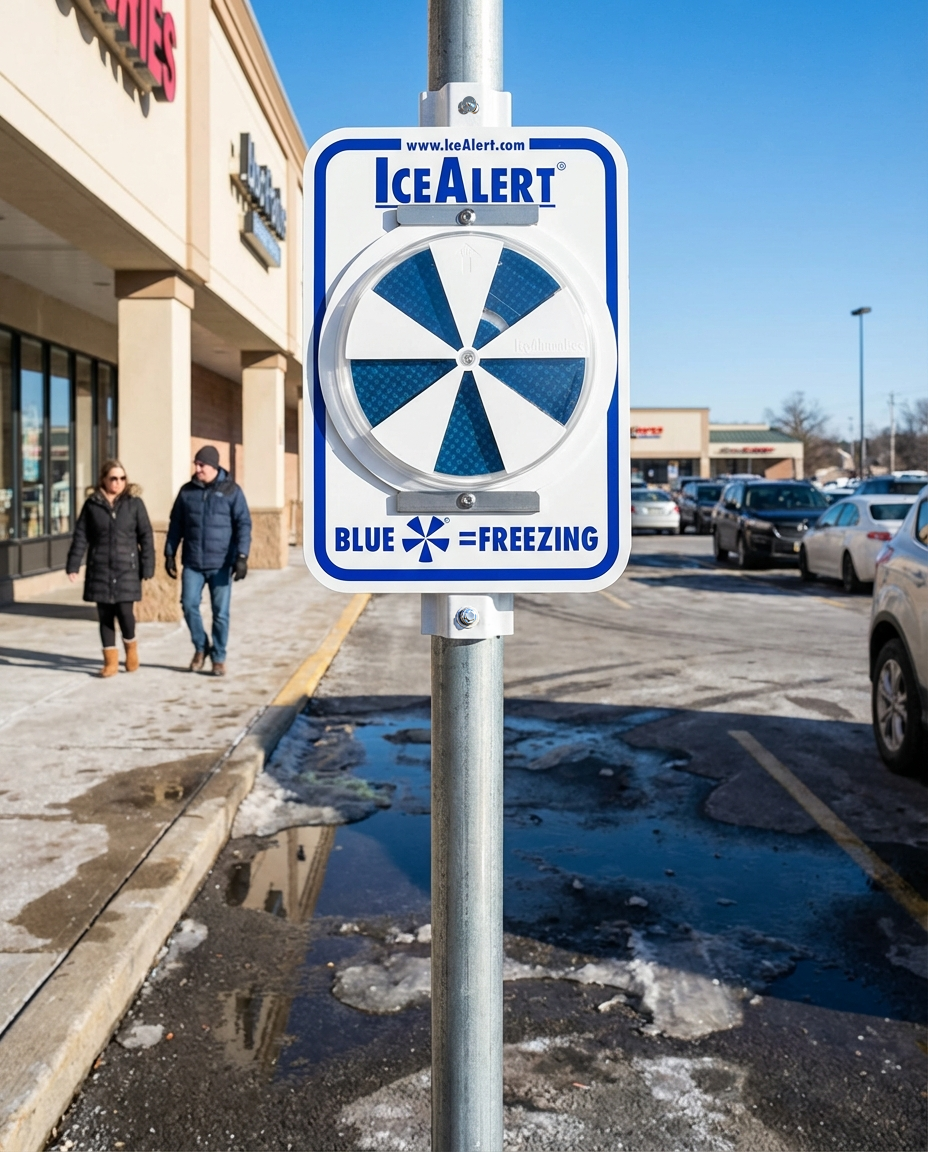
IceAlert® Sign 4 Pack